Care Guide
How to Choose the Right Plant Pot: A Complete Guide for Healthy Houseplants
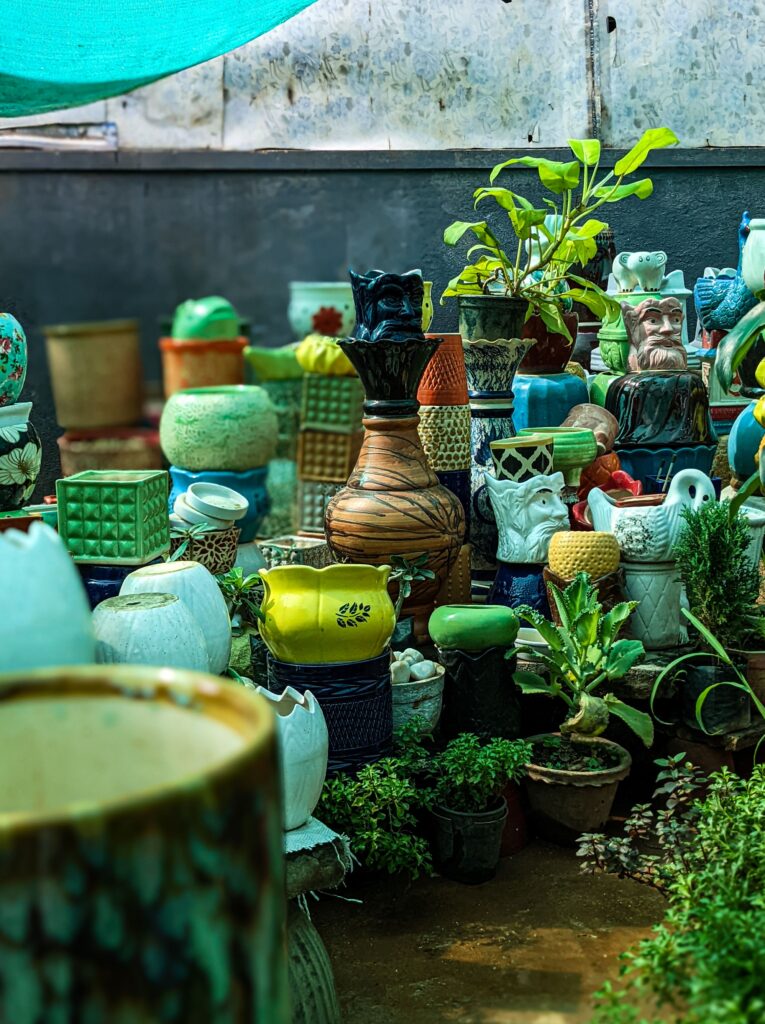
Walk through any garden center and you’ll quickly realize that choosing a plant can be easier than choosing the pot it goes into. Decorative ceramic pots, terracotta planters, plastic nursery pots, self-watering containers, hanging baskets, and woven baskets all look appealing, but not every pot is the right choice for every plant.
Many people focus entirely on appearance, choosing whichever container matches their home décor. While there’s nothing wrong with wanting your plants to look beautiful, the pot you choose has a major impact on how quickly the soil dries, how healthy the roots remain, and how often you’ll need to water.
The good news is that selecting the right pot isn’t complicated once you understand a few basic principles.
Drainage Is More Important Than Anything Else
If there’s one feature every beginner should look for, it’s a drainage hole.
Drainage holes allow excess water to escape after watering. Without one, water collects at the bottom of the container where it keeps the soil constantly wet. Over time, this lack of oxygen around the roots can lead to root rot, one of the most common causes of houseplant death.
Even experienced growers rarely plant directly into containers without drainage holes. Instead, they often leave the plant in a nursery pot with drainage and place that pot inside a decorative cachepot. This gives them the appearance they want while still allowing excess water to drain properly.
If you fall in love with a decorative pot that doesn’t have drainage, consider using it as an outer cover rather than planting directly into it.
Bigger Isn’t Always Better
One of the biggest mistakes new plant owners make is placing a small plant into an oversized pot.
It seems logical. A bigger pot gives the roots more room to grow, so the plant should grow faster, right?
Unfortunately, that’s usually not what happens.
A large pot holds a much greater volume of soil. Since the plant’s root system is still small, it can’t use all that moisture very quickly. The result is soil that stays wet for much longer than necessary.
Instead of encouraging faster growth, an oversized pot often increases the risk of root rot.
As a general rule, choose a container that’s only about one to two inches wider than the current root ball when repotting most tropical houseplants.
Plastic Pots
Plastic nursery pots are popular for good reason.
They’re lightweight, inexpensive, durable, and retain moisture longer than many other materials.
Because plastic doesn’t absorb water, the soil dries primarily through evaporation and plant uptake. This makes plastic an excellent choice for plants that appreciate consistent moisture, such as peace lilies, calatheas, and many ferns.
Plastic pots are also ideal if you tend to forget watering because they help the soil stay moist longer.
Terracotta Pots
Terracotta has been used for gardening for centuries.
Unlike plastic, terracotta is porous. Water slowly evaporates through the clay itself, helping the soil dry more quickly.
This makes terracotta an excellent option for plants that dislike constantly moist soil.
Succulents, cacti, snake plants, jade plants, and many Hoyas often perform exceptionally well in terracotta because the extra airflow helps reduce the risk of overwatering.
The tradeoff is that you’ll usually need to water more frequently.
Ceramic Pots
Ceramic containers are among the most attractive options for indoor plants.
Glazed ceramic pots behave similarly to plastic because the glaze seals much of the surface.
Unglazed ceramic behaves more like terracotta by allowing some moisture to escape.
When shopping for ceramic planters, always check whether they include a drainage hole. Many decorative indoor pots do not.
Self-Watering Pots
Self-watering planters have become increasingly popular over the past several years.
These containers store water in a reservoir beneath the soil. As the potting mix dries, moisture moves upward through a wick or specialized insert.
They can work very well for moisture-loving plants and for people who travel frequently.
However, they aren’t ideal for every species.
Plants that prefer drying between waterings may remain too wet in these systems, especially if the reservoir is constantly refilled.
Pot Material Changes Watering Frequency
Many beginners wonder why one plant seems to need water every few days while another can go nearly two weeks.
Sometimes the answer has nothing to do with the plant itself.
Imagine two identical pothos plants growing in the same room under the same lighting.
One sits in a plastic nursery pot.
The other grows in terracotta.
The terracotta container may dry significantly faster simply because water is evaporating through the clay.
This is why it’s important to consider both the plant and the container when developing a watering routine.
Decorative Cachepots
One of the easiest ways to combine healthy plant care with attractive home décor is by using cachepots.
A cachepot is simply a decorative container that holds another pot inside it.
The actual plant remains in its plastic nursery pot with drainage holes.
When it’s time to water, you simply remove the nursery pot, water thoroughly, allow excess water to drain away, and place it back into the decorative container.
Many professional interior plant installers use this method because it looks clean while making maintenance much easier.
Choosing a Pot for Different Types of Plants
Different plants naturally have different preferences.
Tropical foliage plants such as Monstera, Philodendron, Pothos, Syngonium, and Aglaonema generally perform well in plastic or glazed ceramic containers with excellent drainage.
Succulents and cacti often benefit from terracotta because it encourages faster drying.
Orchids usually prefer specialized orchid pots with extra ventilation around their roots.
Large climbing plants such as Monstera deliciosa eventually benefit from heavier containers that help support the plant’s increasing weight.
Don’t Forget the Saucer
If your pot has drainage holes, you’ll also want something to catch the excess water.
A matching saucer protects furniture and flooring while allowing water to drain freely.
After watering, avoid letting your plant sit in standing water for long periods. Empty the saucer after excess water has finished draining so the roots aren’t constantly sitting in moisture.
When It’s Time to Repot
Plants don’t need larger containers every few months.
In fact, many tropical houseplants enjoy being slightly root-bound.
Signs that it’s time to move into a larger pot include roots growing from the drainage holes, water running straight through the pot because roots have displaced most of the soil, slowed growth despite proper care, or roots circling tightly around the inside of the container.
When repotting, increase the pot size gradually instead of jumping several sizes at once.
The Best Pot Is the One That Matches Your Care Style
There isn’t a single perfect pot for every home or every plant.
If you frequently forget to water, plastic or glazed ceramic may be your best choice because they retain moisture longer.
If you tend to water too often, terracotta may help compensate by allowing the soil to dry more quickly.
If appearance is your priority, a decorative cachepot lets you enjoy beautiful containers without sacrificing proper drainage.
Understanding how different materials affect moisture gives you far more control over your plants’ health. Rather than asking which pot is “best,” ask which pot best matches your plant, your home, and your watering habits. Choosing the right container from the beginning can make caring for your houseplants easier and help them thrive for years to come.